BRK Metal San. Tic. Ltd. Şti.


Investment casting, also called lost-wax casting, is a metal casting process in which a wax pattern is coated in ceramic, melted out and replaced by molten metal. It produces complex near-net-shape parts with good accuracy and a smooth surface. This guide explains how the process works and when to use it.
What Is Investment Casting?
The name comes from the ceramic layers that surround, or invest, the wax pattern. Because the pattern melts out, the mold needs no parting line and no draft for pattern removal. Each casting uses a new wax pattern and a new ceramic shell.
The Investment Casting Process, Step by Step
- Tooling: A metal injection die is built from the part drawing.
- Wax patterns: Wax is injected into the die to make an exact copy of the part.
- Cluster assembly: Patterns are attached to a wax gating system to form a cluster, sometimes called a tree.
- Shell building: The cluster is dipped in ceramic slurry and coated with refractory sand. This is repeated, with drying between coats, until the shell is strong enough.
- Dewaxing: The wax is melted out of the dried shell, which leaves a hollow mold.
- Firing: The shell is fired to give it strength and to remove any wax residue.
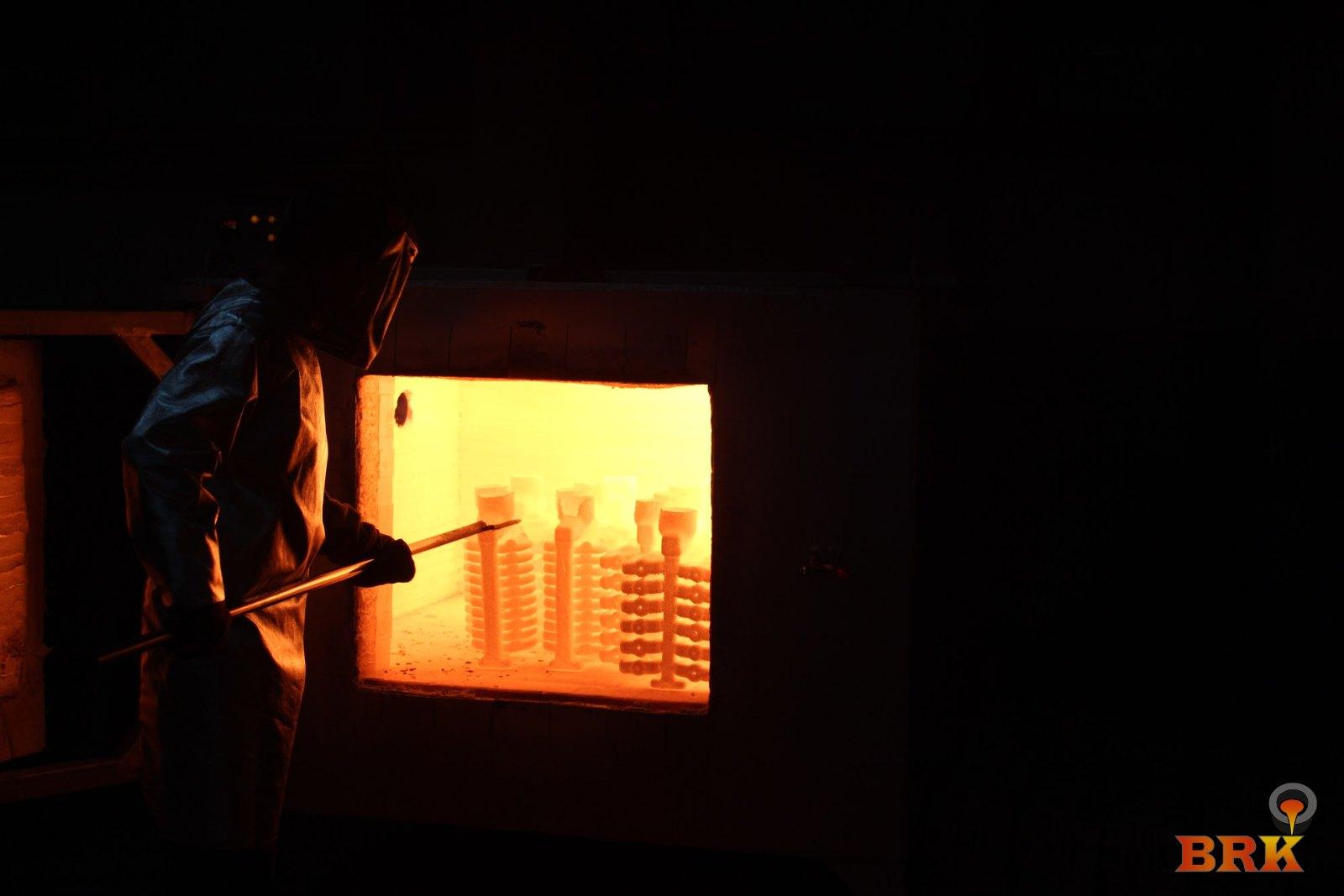
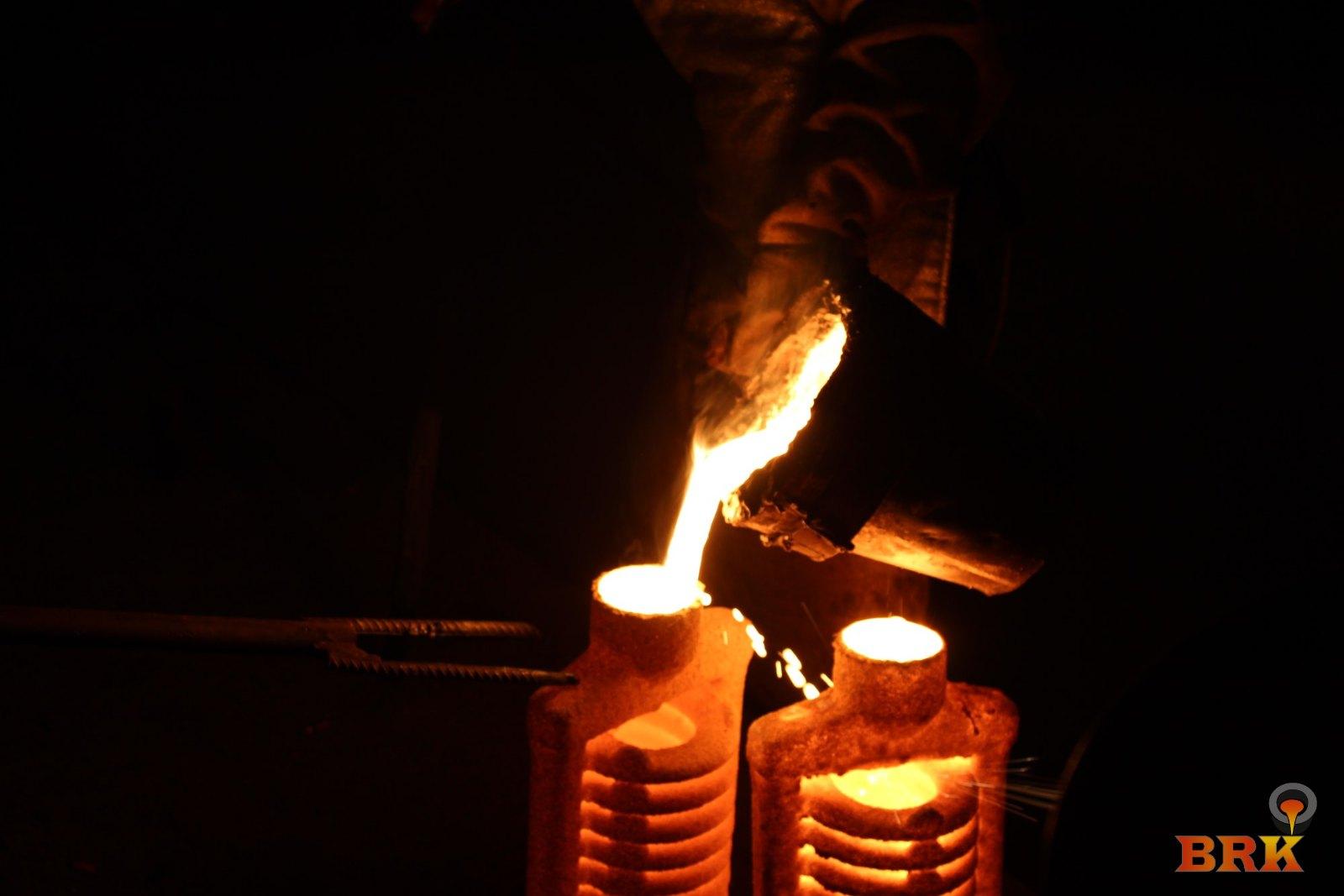
- Pouring: Molten metal is poured into the hot shell, which helps it fill thin sections.
- Shell removal: After cooling, the ceramic is broken away.
- Cut-off and finishing: Parts are cut from the gating system, and gate marks are ground.
- Heat treatment and surface work: These are applied as the drawing requires.
- Inspection: Dimensions and quality are checked against the specification.
Advantages of Investment Casting
- Accuracy: Near-net-shape parts need less machining.
- Design freedom: Thin walls, internal shapes and fine details can be cast as one piece.
- Surface finish: The ceramic shell gives a smoother surface than sand casting.
- Alloy range: Steels, stainless steels, aluminum, bronze and magnesium can be cast.
- Repeatability: Series parts stay consistent from order to order.
Limitations
Investment casting needs tooling, costs more per kilogram than sand casting, and does not suit very large parts. Very simple parts with general tolerances may be cheaper by another route. Our investment casting vs sand casting guide compares the two.
Materials
We cast carbon and low-alloy steel, stainless steel, aluminum, bronze and magnesium.
Tolerances
European drawings often specify VDG P690. BRK Metal can meet D3, the tightest class of the standard. See our dimensions and tolerances page and the VDG P690 guide.
Frequently Asked Questions
Is investment casting the same as lost-wax casting?
Yes. Both names describe the same process.
What size of parts can be investment cast?
The process usually suits small and medium parts. BRK Metal casts parts from 1 g to 25 kg.
How should I design a part for investment casting?
Keep walls even, add fillets and plan for feeding. Our design guidelines explain the main rules.
Start Your Project
BRK Metal is an investment casting manufacturer in Turkey with more than 20 years of experience. Send us your drawing for a review and quote.


24 Years of Experience

Tolerances to VDG P690 D3

Fast Delivery

Special Support